Trellis Foundation 2025 Annual Report
A Message from Trellis Foundation
Dear Friends, Partners & Colleagues:
At Trellis Foundation, we take inspiration and strength from the commitment and innovation of our grantees—and from the shared belief that education can transform lives—as we move together as a state to ensure success for all Texas students.
We are proud to share this annual report highlighting our work during fiscal year 2025. Learning—together as a team and with our wonderful partners—was a major theme of the year, shaping how we listen, how we lead, and how we show up in service of students and communities across Texas.
In that spirit, we partnered with the Center for Effective Philanthropy (CEP) to survey and listen more deeply to our grantee partners. We are grateful to the many partners who took the time to provide feedback about our impact, our processes, and more. With a 73% response rate, our first Grantee Perception Report from CEP, paired with internal team reflections, offered a rich picture of what is working well and, just as importantly, where we have opportunities to improve. It also helped us articulate the approach to relationships and collaboration with grantees that will ground our work as we continue to grow our team and expand our grantmaking.

The Trellis Foundation board gathered in San Diego, CA, for their second biennial retreat to reflect on the Foundation’s strategic plan, hear insights from grantees, and engage with a panel of national postsecondary leaders on current conditions and priorities for higher education nationally and within Texas. Several insights surfaced in conversation among board members and staff—insights that will help guide our work in the years ahead:
In addition, our staff traveled across the state—focusing on North and East Texas in 2025—to learn more about the unique regional challenges to postsecondary attainment and the novel solutions Texas communities are implementing to improve student success. These visits continue to ground our strategy in local realities and expertise.
To explore how institutions can better support today’s students, we co-hosted the 2025 Modern Learner Summit in September alongside our sibling organization, Trellis Strategies. The event brought together more than 200 education, workforce, and policy leaders to share ideas, challenge assumptions, and advance a more student-centered postsecondary ecosystem.
As always, we’re incredibly grateful to our partners for learning with us, sharing their stories, and welcoming us into their communities. We are honored to walk alongside you—and energized by what we can accomplish together.
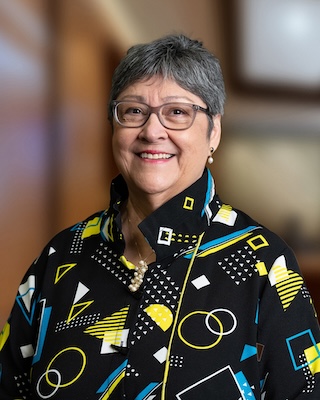
Dora Ann Verde, Chair
Trellis Foundation Board of Directors
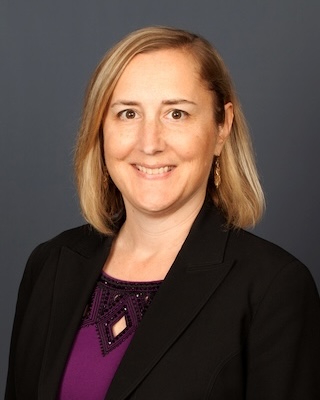
Kristin J. Boyer
Trellis Foundation President & CEO
Grantmaking Overview
Total giving for Trellis Foundation’s 2025 fiscal year was $16.6 million.
Grants by Focus Area

Holistic Student Supports
102 Active Grants;
$5.7 million

Streamlined Student Pathways
41 Active Grants;
$9.1 million

Reconnection for Returning Learners
22 Active Grants;
$1.3 million

Cross-Focus Commitments
56 Active Grants;
$1.2 million

Rapid Response Grants
16 Active Grants;
$1.1 million
Holistic Student Support
In 2023, the Trellis Foundation board approved $2.5 million in total general operating support for a cohort of 26 community-based organizations providing direct services that help students reach and complete college.
Lessons for the Field:
The cohort, which closed in fiscal year 2025, underscored the importance of flexible, community-rooted approaches that respond to students’ experiences and challenges. Direct service providers continue to serve as vital trusted guides, connecting students to resources, relationships, and opportunities that support meaningful progress, especially as they expand support for first-generation students, working students, and rural learners.
These investments helped the Foundation clarify our general operating approach, shifting to broad, flexible support that enhances organizational capacity and fosters deeper partnerships that help coordinate sustained student success from entry through completion.
Streamlined Student Pathways
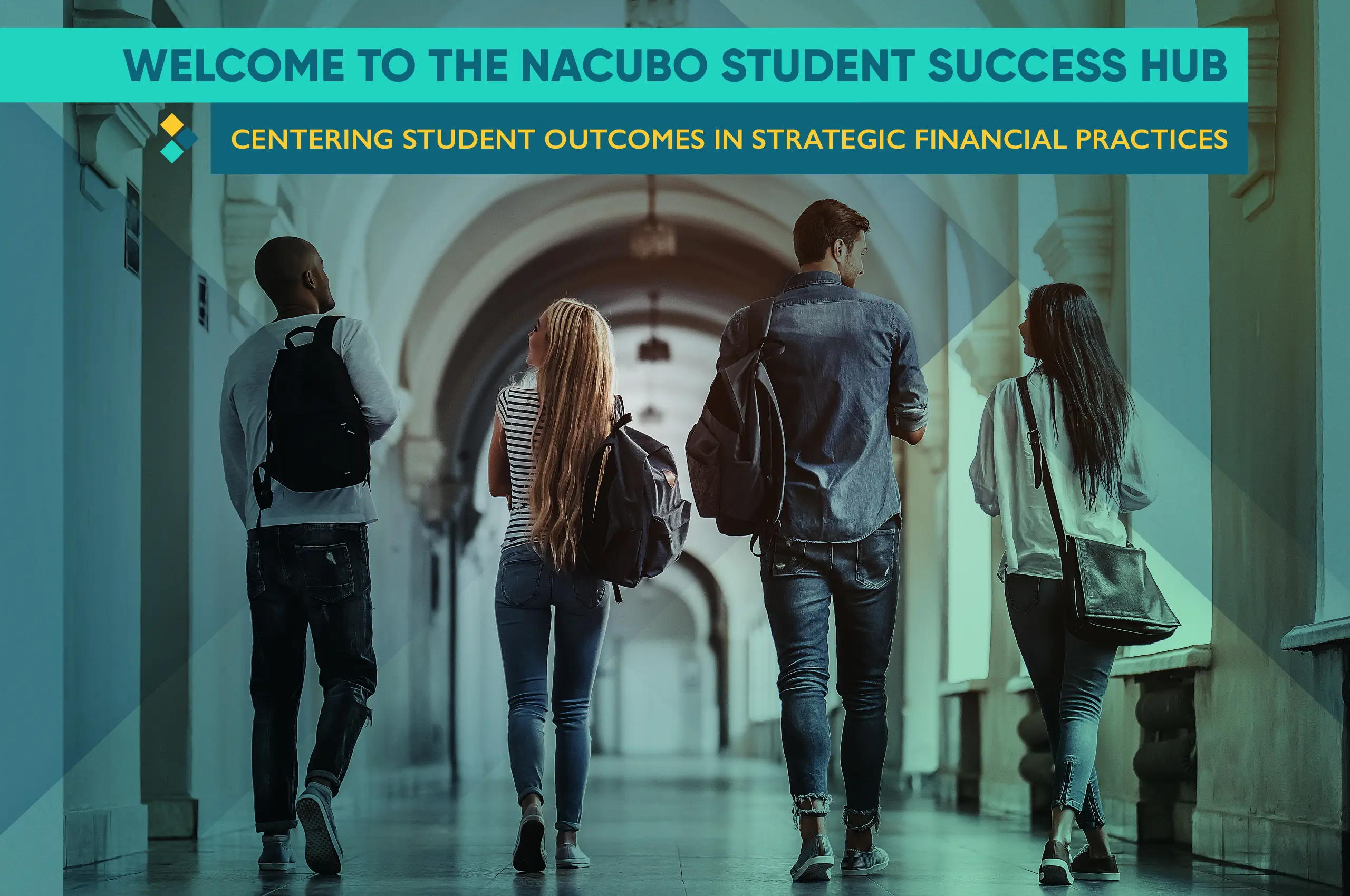
In partnership with Ascendium and College Futures Foundation, Trellis Foundation previously awarded a multi-year grant to the National Association of College and University Business Officers (NACUBO) to convene a working group of 26 higher education Chief Business Officers to develop and implement strategic financial frameworks and tools that model how to prioritize and sustain student success initiatives.
Released in 2025, the NACUBO Student Success Hub continues to expand its resources, such as toolkits, webinars, and use cases from four Texas colleges and universities.
Lessons for the Field:
Reconnection for Returning Learners
Cohort models are often used in student support services due to their effectiveness in building a supportive learning community. This project at Lee College Huntsville, funded in partnership with Powell Foundation, was a five-year, multi-cohort model to pilot support for incarcerated learners at different types of prison units and to introduce additional funding partners to the work.
Lessons for the Field: